



March 26, 2026
A Practical Guide to Getting the Right Truck the First Time
Buying a commercial vehicle is about choosing a setup that supports how you work every day. From payload and storage to budget and timing, the right questions upfront can help you avoid costly compromises later.
Whether you’re buying your first work vehicle or adding to an established fleet, these questions can help you clarify your needs, evaluate your options and move forward with confidence.
What Type of Work Do You Do? How Do You Use Your Truck?
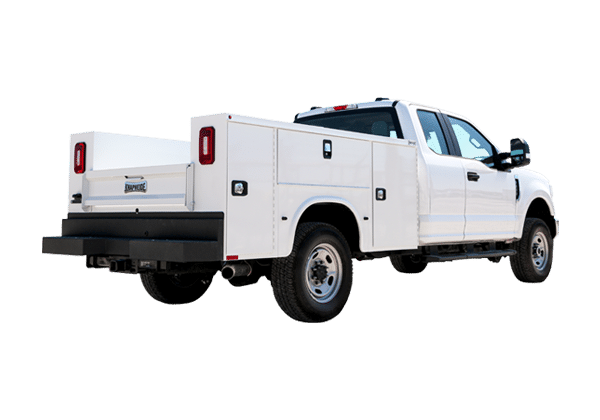
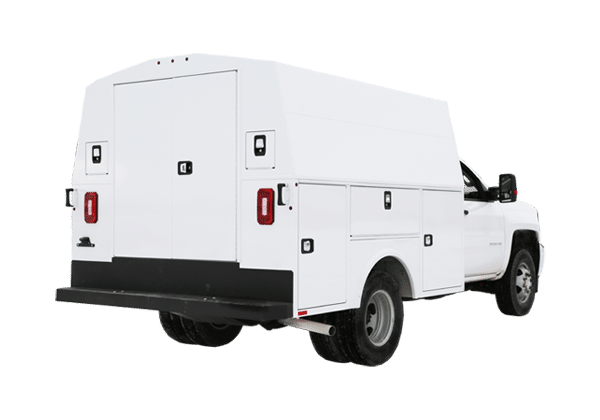
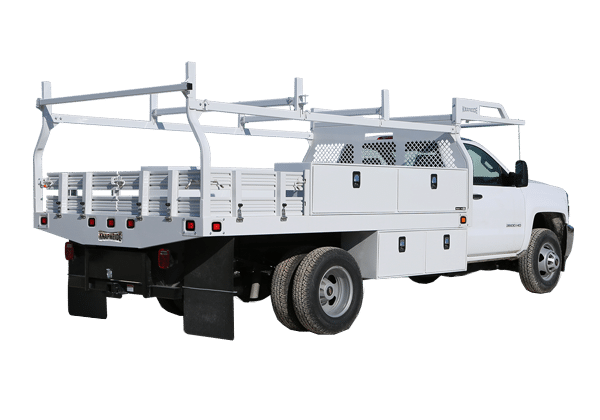
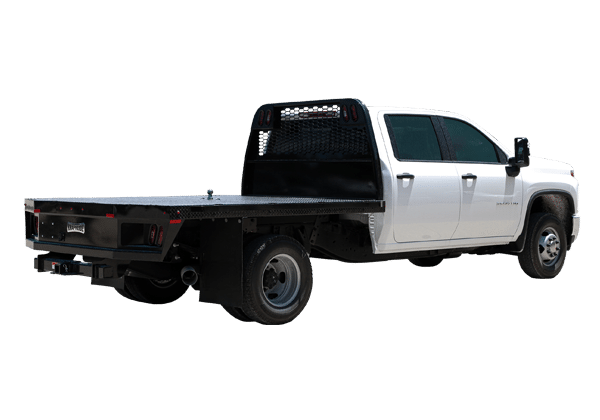
Two businesses can look identical on paper and operate very differently in the field. Understanding the type of work you do and how your crews operate day to day is the starting point for every smart purchase. Think through what you carry, how often tools and materials are accessed, and how the vehicle is used throughout the day. These factors directly influence decisions around chassis, body type and accessories, and play a major role in efficiency, safety and productivity.
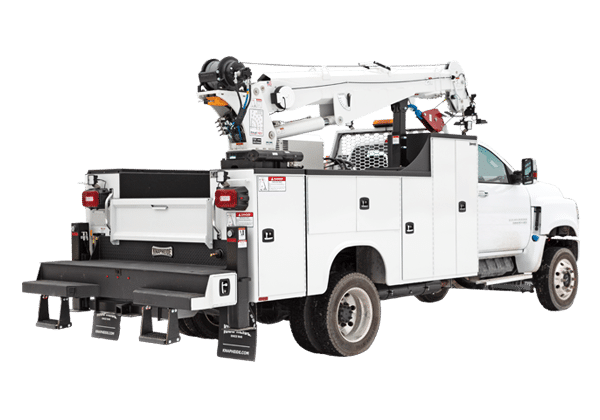
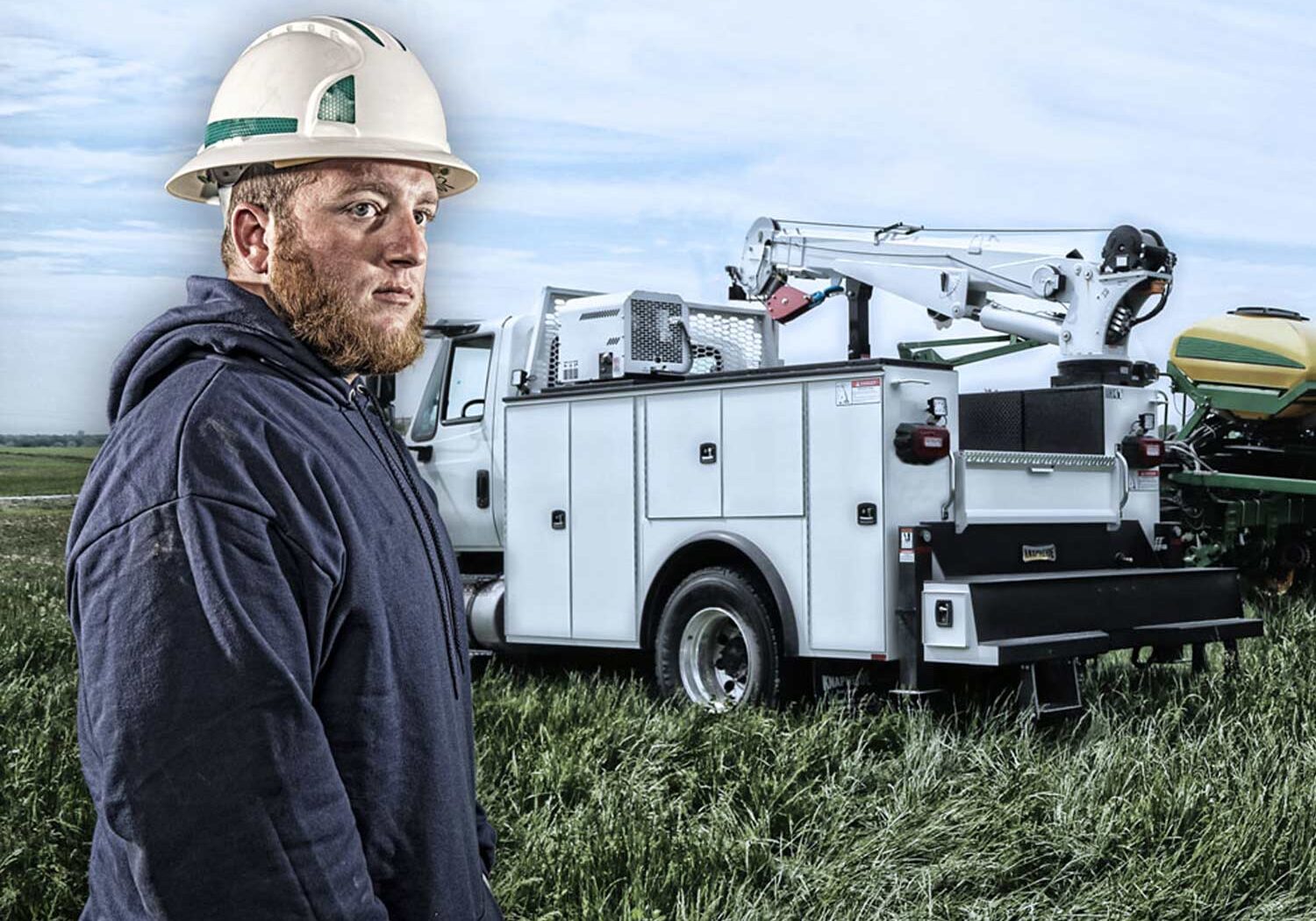
For example, one growing farm equipped a mechanic truck to service equipment directly in the field rather than hauling machines back to the shop. By configuring storage around frequently used tools and parts, they reduced downtime during peak seasons and kept equipment running when timing mattered most. That kind of alignment between work demands and vehicle design is what turns a truck from a purchase into a strategic asset.
Are You Starting, Replacing or Expanding a Fleet?
Knowing where this purchase fits into your bigger picture matters, and the priorities change depending on your stage. If you’re starting out, flexibility is often the top priority. Your vehicle may need to handle multiple job types, carry varied equipment and adapt as your services evolve. At this stage, balancing capability with budget is critical, since the truck often has to do more with less.
If you’re replacing a vehicle, take time to evaluate why the previous one is being retired. Was it payload limitations, storage inefficiencies, downtime or rising maintenance costs? Identifying what didn’t work can be just as important as defining what will.
For expanding fleets, consistency becomes more valuable. Standardized body configurations, upfit packages and equipment layouts can simplify technician training, improve productivity and streamline maintenance and parts replacement. Growth also introduces considerations around lead times, ordering cycles and long-term scalability.
Regardless of your stage, it’s worth asking:
- Will this vehicle still meet my needs in three to five years?
- Is my workload becoming heavier, more specialized or more regulated?
- Would a different chassis class or body configuration better support future growth?
Thinking ahead now can help you avoid re-spec’ing, retrofitting or replacing equipment sooner than expected and ensure your investment supports where your business is going, not just where it is today.
What's Your Budget?
Budget plays a major role in shaping your options, but it shouldn’t be viewed in isolation. Beyond the upfront cost, consider total cost of ownership including maintenance, durability, fuel efficiency and resale value, along with how the vehicle supports productivity.
A configuration that reduces downtime or improves workflow can deliver long-term returns that outweigh initial savings. Having a clear budget range helps narrow your choices, but defining value ensures you’re investing in a vehicle built to support your business over time.
When Do You Need the Vehicle?
Your timeline directly affects what’s possible. If you need a work truck quickly, available inventory or standard body configurations may shape your decision. With more lead time, you’ll have access to broader customization opportunities that better align with your workload and workflow. Understanding when the vehicle needs to be in service helps set realistic expectations, balance speed with specification and avoid rushed decisions that may limit long-term performance.
Do You Prefer Aluminum or Steel Construction?
Material choice is more impactful than appearance. It affects payload capacity, corrosion resistance, weight and cost. Understanding how aluminum and steel align with your priorities, whether that’s maximizing payload, managing long-term maintenance or balancing upfront investment, helps ensure your choice supports how you work over the life of the vehicle. Read up on the benefits of Aluminum bodies.
Will You Need Customization?
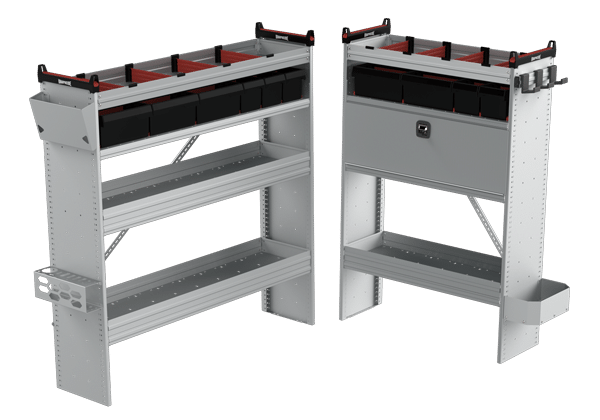
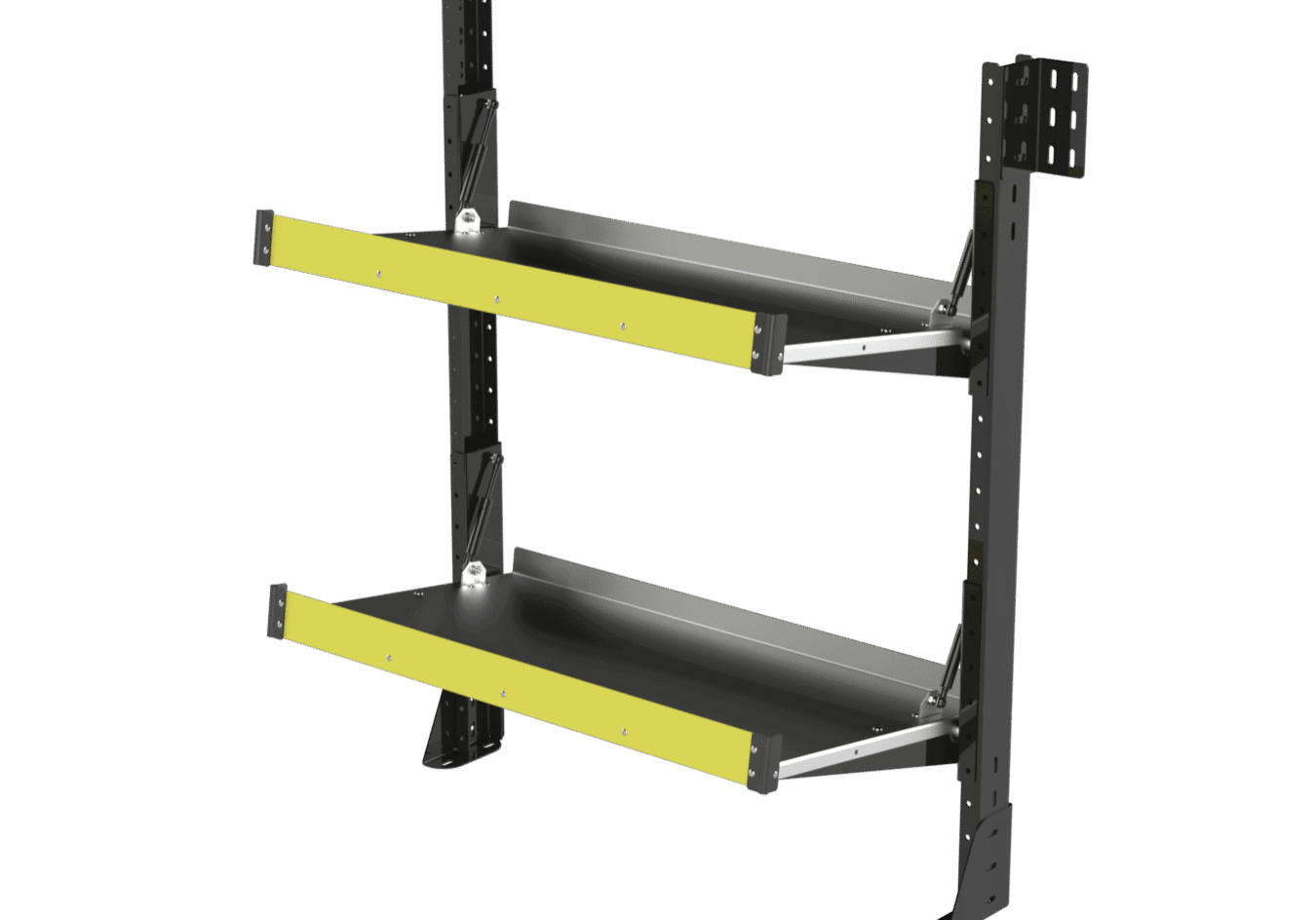
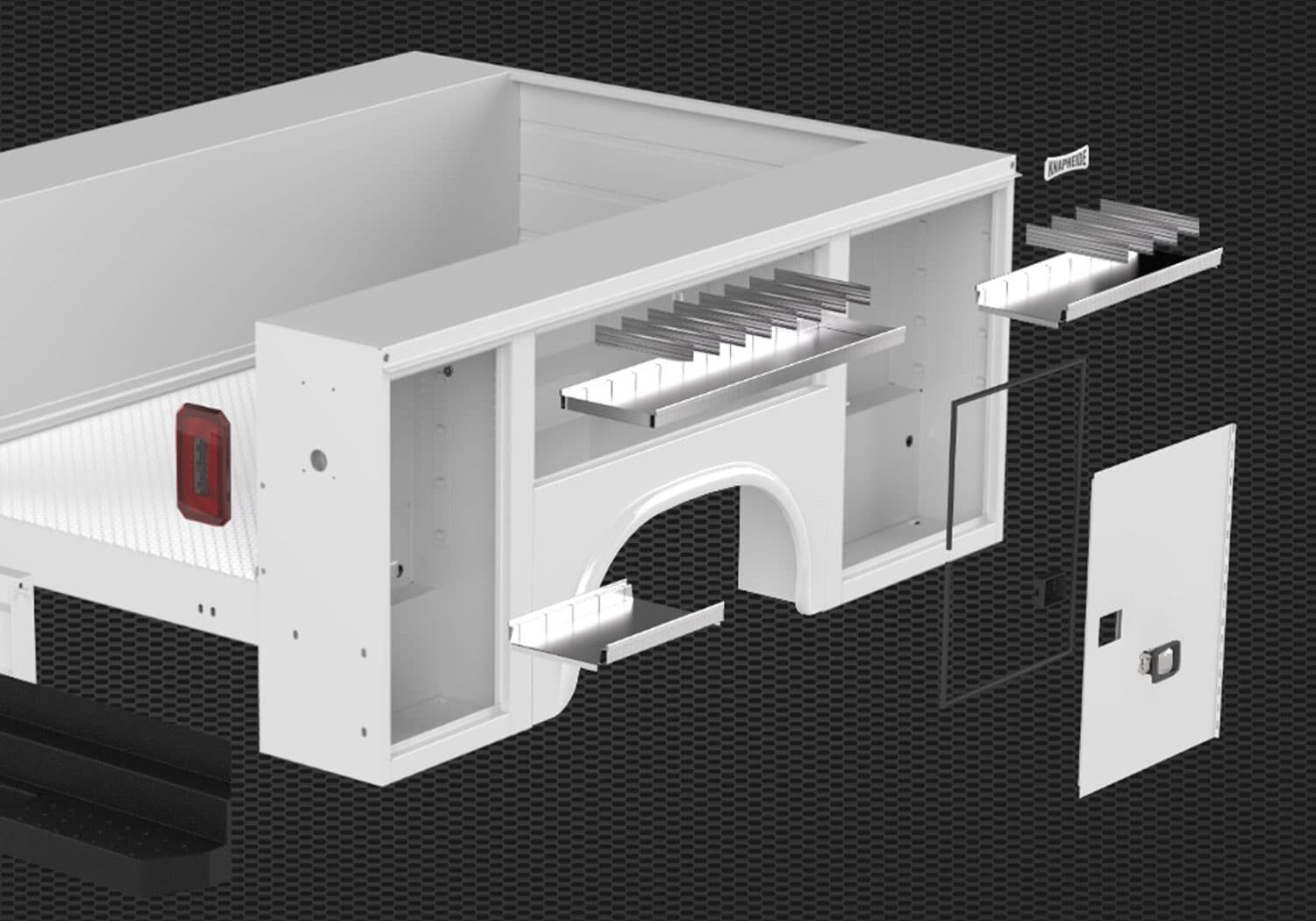
From storage layouts to specialized accessories, the right customizations can reduce wasted motion, improve safety and help crews work more efficiently. If your work has unique demands, it’s worth considering how a tailored setup could make a difference on every job. Typically, the customer works with their local commercial dealer and Knapheide distributor to spec the chassis and upfit together, ensuring the vehicle is purpose-built from day one.
Ask the Right Questions. Get More Out of the Truck.
A commercial vehicle is a long-term investment in how your work gets done. Taking the time to ask the right questions before buying helps ensure your truck is ready for the realities of the job.
READY TO TAKE THE NEXT STEP?
FIND A KNAPHEIDE DISTRIBUTOR NEAR YOU TO DISCUSS YOUR WORK TRUCK NEEDS.